


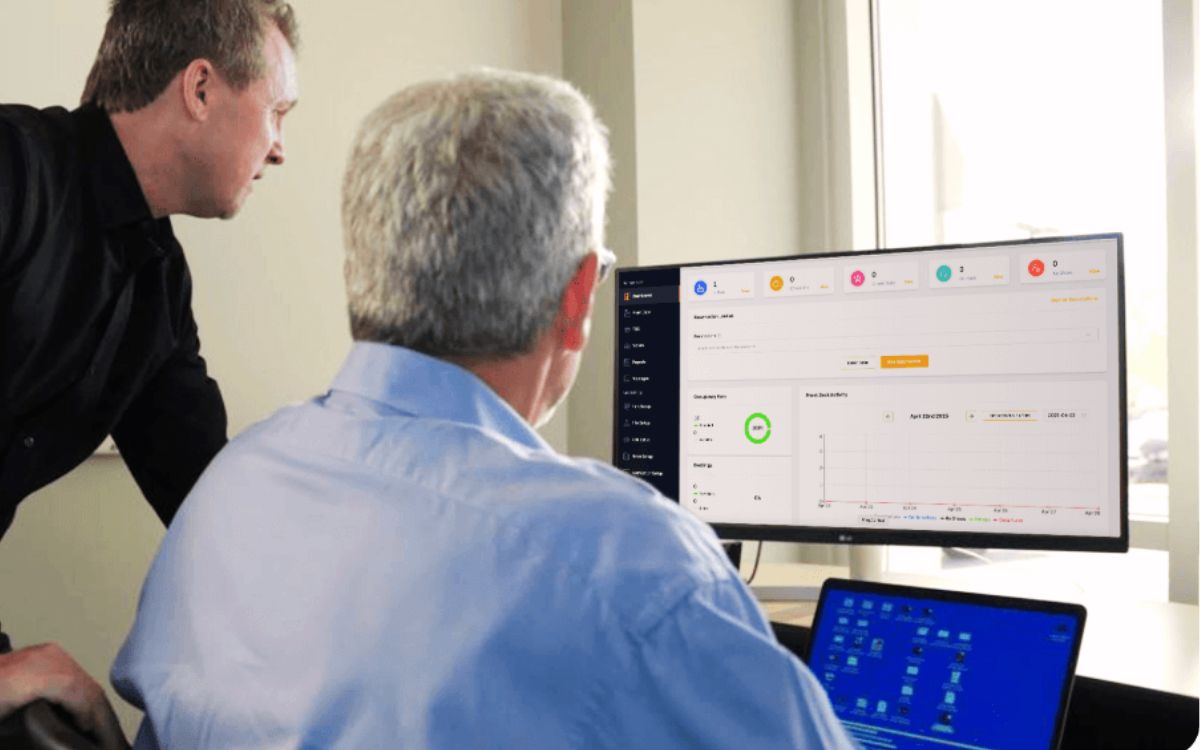
Scaling a hospitality portfolio brings incredible revenue potential, but managing operations across separate platforms creates massive friction. When you need to manage multiple RV parks effectively, relying on disconnected legacy tools leads to blind spots and administrative bottlenecks.
Portfolio owners frequently struggle with fragmented data, inconsistent guest experiences, and wasted staff hours. Let us explore how centralized technology transforms multi-property operations.
The Hidden Cost of Managing Each Park Separately
Operating individual properties on isolated software packages sounds manageable at first, but complexity compounds as your portfolio grows.
- Pulling end-of-month reports requires manual spreadsheet consolidation across every single location.
- Rate adjustments must be entered one by one, leaving older properties lagging behind market trends.
- Regional managers waste valuable hours jumping between entirely different software logins.
These operational silos slow down decision-making right when agility matters most. Unifying your tech stack eliminates these daily roadblocks.
What a Centralized Dashboard Actually Shows You
A true multi-property command center gives ownership and management a unified window into portfolio performance without digging through separate accounts.
- Real-time occupancy metrics highlight which locations need immediate promotional pushes.
- Consolidated revenue tracking simplifies high-level financial forecasting.
- Unified guest profile histories enable cross-property loyalty tracking.
Having everything accessible in one view empowers your executive team to spot trends instantly. Clarity drives better asset management.
| Operational Task | Separate Systems (Per Park) | Centralized Dashboard | Why It Matters |
|---|---|---|---|
| Occupancy reporting | Pull reports from each system, combine manually | One consolidated occupancy view across all parks | Faster, error-free decision-making for ownership |
| Rate changes | Update each system individually | Push rate changes across select parks at once | Saves hours during seasonal pricing updates |
| Staff access | Separate logins per property | Role-based access across the portfolio | Easier to onboard regional managers |
| Guest data | Siloed per park, no cross-property history | Shared guest profiles across properties | Enables loyalty programs and cross-park marketing |
| New acquisition onboarding | New park runs on its legacy system for months | New park added to existing dashboard in weeks | Faster time-to-standardization post-acquisition |
Standardizing Rates, Policies, and Branding Across Properties
Guest loyalty relies heavily on a consistent brand experience across every location in your portfolio. When policies and booking flows vary by park, guest confusion naturally follows.
- Implement uniform cancellation and pet policies with a single system-wide update.
- Maintain cohesive brand standards across all property websites and booking engines.
- Deploy standardized cleaning and maintenance checklists for ground staff.
Consistency builds instant trust with modern travelers who expect a reliable hospitality experience every time they book.
How Portfolio Owners and Private Equity Groups Use Multi-Park Data
Institutional investors and private equity firms require clean, transparent data to evaluate asset health and plan future portfolio expansions. Utilizing growth solutions for private equity-owned portfolios ensures financial reporting is always audit-ready.
- Investors can review consolidated portfolio performance metrics on demand.
- Historical occupancy data justifies targeted capital improvements at underperforming locations.
- Standardized reporting streamlines due diligence during new acquisitions.
When your data architecture is built for scale, proving asset value to stakeholders becomes effortless. Robust software turns raw numbers into a clear competitive advantage.
Rolling Out One System Across Properties You Just Acquired
Acquiring a new park is exciting, but integrating it smoothly into your existing operations determines whether the transition succeeds or stalls.
- Avoid leaving new acquisitions on legacy software for months while staff struggles to adapt.
- Add newly acquired locations directly to your primary Indio’s multi-park PMS support network within weeks.
- Standardize on-site training quickly so regional staff operates with total confidence.
Fast onboarding protects your initial investment return and cuts down on post-acquisition chaos.
FAQ: Managing Multiple RV Parks
Can one reservation system manage multiple RV parks with different rates?
Yes, a centralized platform allows you to set custom rates, seasonal pricing, and rules for each unique property location.
How long does it take to add a newly acquired park to an existing dashboard?
Adding a new location typically takes just a few weeks depending on data migration complexity and staff onboarding speed.
Do guests see a different experience at each park, or one unified brand?
Guests experience property-specific details while enjoying a seamless, high-end booking interface tied to your primary brand standards.
Can staff have different access levels for different properties?
Role-based permissions ensure front-desk employees only see their assigned park while regional managers view the entire portfolio.
Is multi-park software worth it for just two locations?
Investing in centralized management early prevents data silos and prepares your tech stack for future portfolio growth.
Mastering how to manage multiple RV parks efficiently requires modern infrastructure built for scale. By consolidating your reporting, streamlining rates, and unifying your operations, your portfolio will run smoother than ever.hly your next system transition can run.


